Cessna 172RG Rear RH Baffle Assembly
Cessna 172RG Rear RH Baffle Assembly
Blog Article
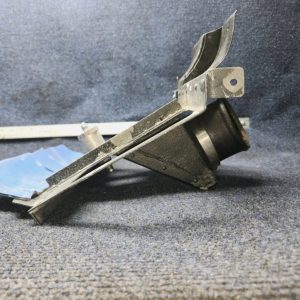
P/N 2455038-2 should be selected only after confirming aircraft serial applicability, engine configuration, mounting geometry, material condition, and included hardware.
The Cessna 172RG Rear Right-Hand Baffle and Cessna 172RG Engine Baffle terms describe related engine-compartment structures, while the exact Cessna 172RG Cooling Baffle should remain identified by P/N 2455038-2.
Whether described as a Cessna Cutlass Engine Baffle, Cessna 172RG Baffle Assembly, Rear RH Engine Baffle, or Aircraft Engine Baffle Assembly, precise configuration verification remains essential.
An Aircraft Cooling Air Baffle may also be marketed as a Cessna 172RG Airflow Baffle when its exact location, orientation, and part number are stated accurately.
The Cessna Aircraft Engine Baffle, Engine Cooling Baffle Assembly, Cessna Cutlass Cooling System Part, and Cessna 172RG Replacement Baffle terms represent related maintenance and commercial searches.
Understanding P/N 2455038-2
A component should not be accepted as P/N 2455038-2 solely because it appears to fit the rear right-hand engine area.
The buyer should determine whether the assembly is original, repaired, refurbished, fabricated, removed from an aircraft, or offered as an incomplete section.
Purpose of the Rear RH Engine Baffle
System-level inspection supports more effective engine-compartment maintenance.
Engine condition, instrumentation, seals, cowling, operations, and surrounding baffles should be considered during troubleshooting.
Cessna 172RG and Cutlass Compatibility
The Cessna 172RG Cutlass may contain production changes, previous repairs, engine modifications, or altered cooling-system components that affect fitment.
A component that fits one aircraft approximately may still interfere with another installation.
Maintaining Original Baffle Geometry
Preserving original geometry supports proper alignment and airflow management.
Small distortions may create air gaps, cowling interference, fastener misalignment, or stress around mounting points.
Aircraft Cooling Component Inspection
Both sides should be examined under suitable lighting, especially around bends, corners, mounting holes, stiffeners, and seal-retaining edges.
Qualified evaluation helps determine whether repair, replacement, or rejection is appropriate.
Managing Gaps Around the Engine Baffles
Flexible seals help close gaps between metal baffles and surrounding cowling surfaces so cooling air follows the intended route.
Replacement seal material should correspond with the intended aircraft installation and suitable technical requirements.
Managing Moisture and Chemical Exposure
The depth and area of corrosion should be evaluated using suitable maintenance procedures.
Protective coatings should be compatible with the material and intended engine-compartment environment.
Crack and Fastener-Hole Inspection
Stop-drilled cracks should not be treated as complete repairs without supporting technical information.
Old hardware should not be reused automatically because it fits the existing holes.
Supporting Components Around the Rear RH Baffle
Every supporting component should be identified by part number, position, condition, and required quantity.
Damage can vary across components exposed to the same vibration, heat, accident, or storage environment.
Baffle-Related Temperature Problems
Unexpected engine temperatures should be investigated through a structured review of instrumentation, engine condition, airflow, baffles, seals, cowling, operation, click here and environmental factors.
Post-maintenance checks should confirm that the complete installation functions as intended.
Rear RH Baffle Replacement Versus Repair
A documented repair plan supports a more consistent result.
Professional workmanship can extend component value while preserving cooling-system geometry.
Cessna Cutlass Engine Parts for Sale
Components with clear donor-aircraft information, current photographs, and transparent condition descriptions are easier for professional buyers to evaluate.
Accurate commercial information supports responsible Cessna 172RG Replacement Baffle transactions.
Inspecting the Baffle Before Purchase
A pre-purchase review should confirm P/N 2455038-2, donor-aircraft details, model and serial applicability, engine configuration, dimensions, material condition, repairs, included seals, brackets, hardware, and documentation.
- Compare the baffle with applicable parts information, the removed component, surrounding panels, mounting locations, dimensions, brackets, seals, and cowling clearances.
- Inspect the baffle for cracks, corrosion, pitting, dents, buckling, distortion, elongated holes, fretting, broken brackets, damaged flanges, and previous repairs.
- Require packaging that supports the baffle without bending flanges, crushing contours, damaging brackets, scratching finishes, or allowing loose hardware to strike the panel.
Shipping and Storing the Rear RH Baffle
Padding should prevent direct contact with hard surfaces without trapping damaging moisture.
Heavy objects should never be stacked on the baffle.
Installing the Cessna 172RG Rear RH Baffle
Installation should be completed by appropriately qualified aviation maintenance personnel using applicable aircraft, engine, parts, and maintenance information.
Correct workmanship supports a secure and effective cooling-air boundary.
Disciplined installation and documentation protect the Cessna 172RG Rear RH Baffle Assembly
Protecting Aircraft Cooling Components
Long-term maintenance includes periodic inspection of the baffle, seals, fasteners, brackets, adjacent panels, cowling contact areas, protective finishes, and corrosion-prone locations.
Preventive maintenance protects both P/N 2455038-2 and surrounding Cessna 172RG Engine Compartment Parts.
Choosing the Cessna 172RG Rear RH Baffle Assembly
The Cessna 172RG Rear RH Baffle Assembly
Buyers should request current photographs, accurate measurements, transparent condition information, protective shipping, secure transaction terms, and qualified maintenance review.
Whether the component is purchased for scheduled maintenance, corrosion replacement, cooling-system repair, accident recovery, restoration, or spare-parts support, transparent information and professional oversight provide the strongest foundation.
With transparent donor history, protected shipping, correct fitment, qualified repair planning, and effective seal installation, the component can support a professional Cessna 172RG project.
Report this page